◆Increase in Workers’ Compensation Claims for Mental Disorders
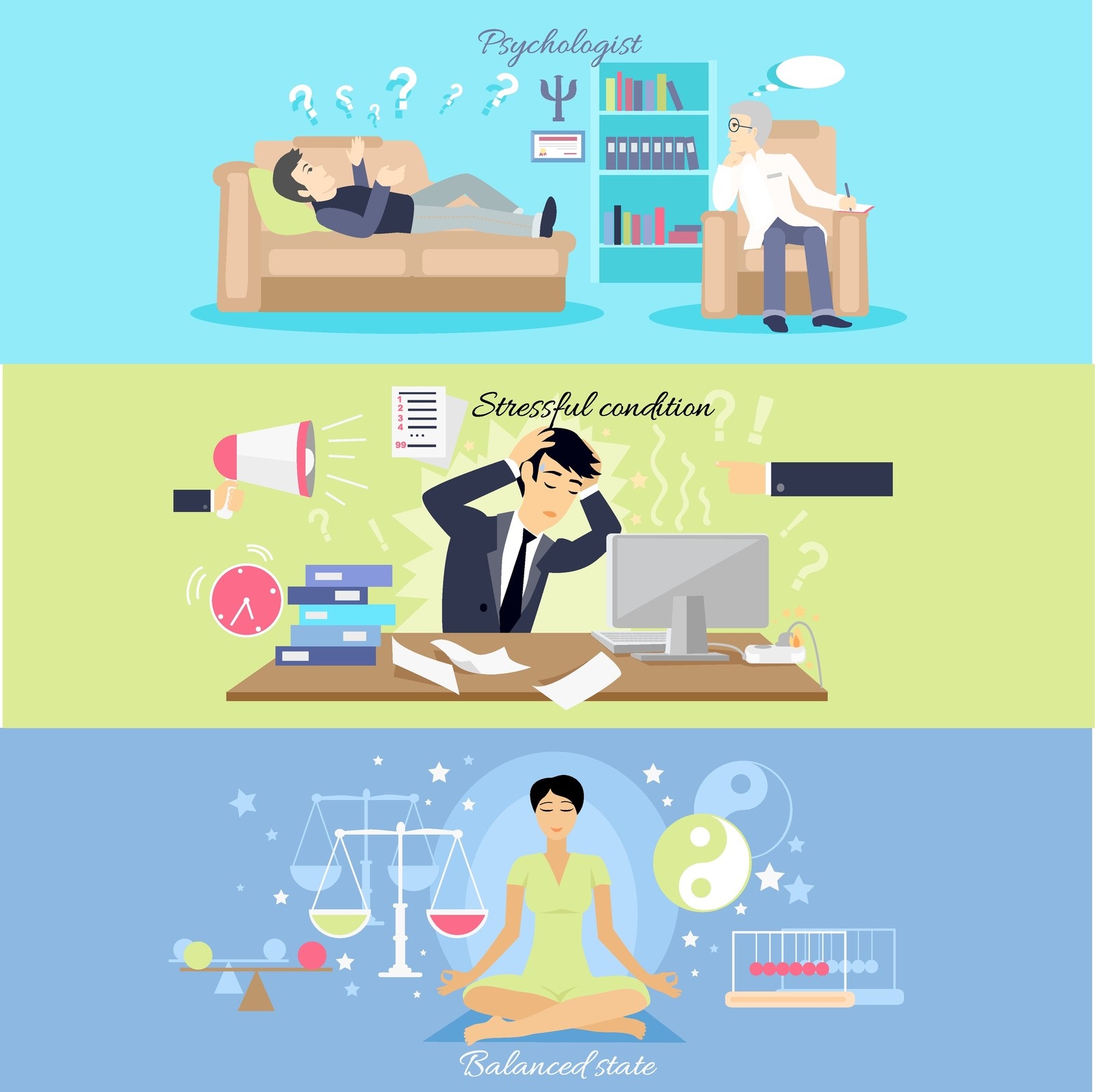
According to the “Status of Workers’ Compensation for Karoshi and Related Cases” for Reiwa 7, released by the Ministry of Health, Labor and Welfare on July 15, the number of cases approved for workers’ compensation due to mental disorders reached 1,082, surpassing the previous fiscal year’s figure (1,056) and setting a new record high for the seventh consecutive year. The number of claims filed also reached a record high of 4,958.
By industry sector (medium classification), the highest number of approved claims was in “Social Insurance, Social Welfare, and Long-Term Care Services” (151 cases), followed by “Health Care” (139 cases), “Road Freight Transportation” (68 cases), “General Construction” (51 cases), and “Restaurants” (45 cases).
Among the factors leading to the recognition of mental disorders, “power harassment by supervisors or others” related to interpersonal relationships (222 cases) was the most common, followed by “significant disruptive behavior by customers, business partners, facility users, etc.” (127 cases) and “sexual harassment” (127 cases), both of which exceeded the number of cases involving “working more than 80 hours of overtime in a month” (40 cases), a factor related to the quantity and quality of work.
◆Thorough Harassment Countermeasures Are Essential
These results suggest that not only long working hours but also various forms of harassment—such as power harassment, sexual harassment, and customer harassment causing mental health issues.
To protect workers’ lives and prevent the loss of valuable employees, companies are now more than ever required to thoroughly implement harassment prevention measures—such as formulating and publicizing policies, establishing consultation systems, and improving the workplace environment. Starting in October, measures against customer harassment and sexual harassment during job hunting will become mandatory for all companies, so this would be a good opportunity to review your company’s harassment prevention measures once again.